How to Create a Help Desk Ticketing System
Customer support plays a major role in the success of any business. As companies grow, handling customer requests through emails, phone calls, and spreadsheets becomes difficult and time-consuming. This is where a help desk ticketing system becomes valuable. It helps businesses organize support requests, track issues, and provide faster solutions.
Many business owners want to understand how to create a help desk ticketing system that improves efficiency and customer satisfaction. A well-designed system ensures that every customer request is recorded, assigned, monitored, and resolved properly.
At helpdesk.me, we believe that an effective ticketing system can improve communication, reduce response times, and help support teams work more efficiently.
What Is a Help Desk Ticketing System?
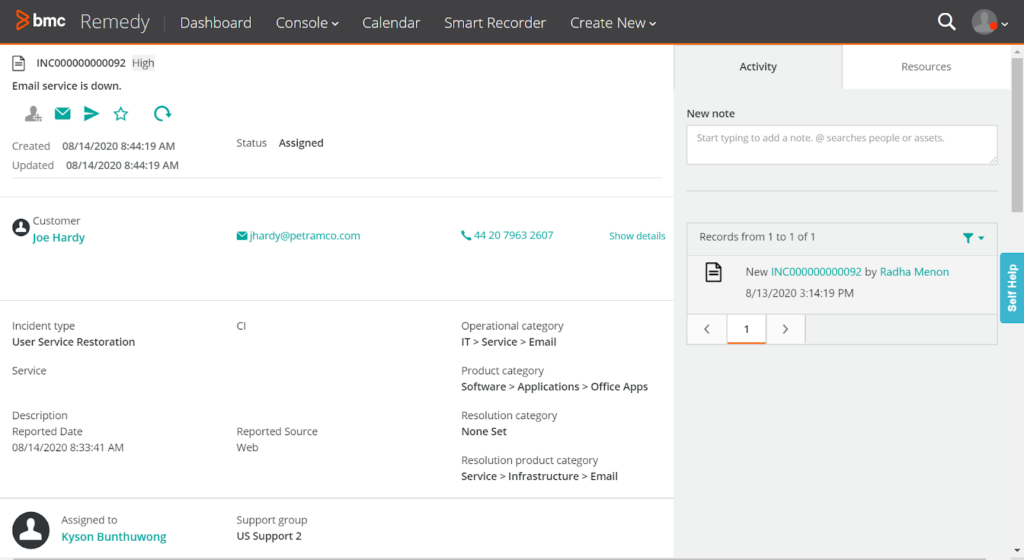
A help desk ticketing system is software that converts customer requests into tickets. Each ticket contains information about a specific issue or question.
The system helps support teams:
- Track requests
- Assign tasks
- Monitor progress
- Manage communication
- Resolve issues efficiently
Instead of losing important messages in email inboxes, every request is stored in one centralized location.
Why Businesses Need a Ticketing System
Without a ticketing system, customer requests can easily be missed or delayed.
Better Organization
A ticketing system keeps all support requests in one place, making them easier to manage.
Faster Responses
Support agents can quickly identify new requests and respond more efficiently.
Improved Customer Satisfaction
Customers appreciate timely updates and faster issue resolution.
Better Team Collaboration
Support teams can share information and work together on complex issues.
Define Your Support Goals
The first step in learning how to create a help desk ticketing system is identifying your goals.
Ask yourself:
- What type of support will you provide?
- How many tickets do you expect?
- How quickly should issues be resolved?
Clear goals help you build a system that meets business needs.
Create a Ticket Submission Process
Customers need an easy way to submit requests.
Email Support
Many businesses allow customers to send emails that automatically generate tickets.
Support Forms
Website forms provide a simple way for customers to submit requests.
Customer Portals
A support portal allows users to create and track tickets directly.
The easier it is to submit a ticket, the more effective the system becomes.
Design Ticket Categories
Organizing tickets into categories helps support teams manage requests efficiently.
Technical Support
Issues related to software, hardware, or technical problems.
Billing Support
Questions about payments, invoices, or refunds.
Account Support
Requests related to account access or profile management.
General Inquiries
Questions that do not fit into specific categories.
Proper categorization helps route tickets to the right team members.
Set Priority Levels
Not every issue requires the same level of urgency.
Low Priority
General questions that do not affect business operations.
Medium Priority
Issues that affect individual users but are not critical.
High Priority
Problems that impact multiple customers or important services.
Critical Priority
Major system outages or business-critical issues.
Priority levels help teams focus on the most urgent requests first.
Create Ticket Status Options
Every ticket should move through a clear workflow.
Common ticket statuses include:
- New
- Open
- In Progress
- Waiting for Customer
- Resolved
- Closed
These statuses help both customers and agents understand the progress of a request.
Assign Tickets Automatically
As support requests increase, manual assignment becomes inefficient.
Automation can assign tickets based on:
- Category
- Department
- Agent expertise
- Customer type
Automatic routing reduces delays and improves productivity.
Build a Knowledge Base
Many customer questions are repetitive.
Creating a knowledge base can help customers solve common problems without contacting support.
Useful articles may include:
- Password reset instructions
- Account setup guides
- Troubleshooting steps
- Frequently asked questions
A knowledge base reduces ticket volume and improves customer experience.
Implement Notifications
Notifications keep everyone informed.
Customer Notifications
Customers should receive updates when:
- A ticket is created
- A response is added
- The issue is resolved
Agent Notifications
Support agents should be alerted when:
- New tickets arrive
- Tickets are assigned
- Customers reply
Good communication improves satisfaction and efficiency.
Track Performance Metrics
A successful help desk ticketing system should include reporting features.
Important metrics include:
- Number of tickets received
- Average response time
- Resolution time
- Customer satisfaction ratings
- Open ticket count
These reports help managers identify areas for improvement.
Train Your Support Team
Even the best system requires proper training.
Support agents should understand:
- How to create tickets
- How to update ticket statuses
- How to communicate with customers
- How to close tickets properly
Training helps maintain consistency and professionalism.
Common Mistakes to Avoid
Making the System Too Complicated
Simple systems are often easier for both customers and staff to use.
Ignoring Automation
Automation can save time and reduce human error.
Failing to Monitor Performance
Regular reporting helps improve support quality.
Not Updating the Knowledge Base
Outdated information can frustrate customers and increase ticket volume.
Conclusion
Learning how to create a help desk ticketing system is an important step for businesses that want to improve customer support. A well-designed system helps organize requests, improve communication, reduce response times, and increase customer satisfaction.
By creating clear ticket categories, priority levels, workflows, notifications, and reporting systems, businesses can build a support process that scales with growth. Whether you are a small company or a large organization, an effective ticketing system can make customer service more efficient and professional.
At helpdesk.me, we believe that investing in a reliable help desk ticketing system is one of the smartest ways to improve customer support and strengthen long-term business relationships.
Frequently Asked Questions
What is a help desk ticketing system?
A help desk ticketing system is software that converts customer requests into tickets and helps support teams manage and resolve issues efficiently.
Why is a ticketing system important?
It improves organization, response times, team collaboration, and customer satisfaction.
What information should a ticket contain?
A ticket should include customer details, issue description, category, priority, status, and assigned agent.
Can small businesses use a ticketing system?
Yes. Ticketing systems help businesses of all sizes manage customer support more effectively.
How does automation help a ticketing system?
Automation assigns tickets, sends notifications, updates statuses, and reduces manual work, making support operations more efficient.