Homeschooling Activities for Elementary Students: Fun and Effective Learning Ideas for Young Minds
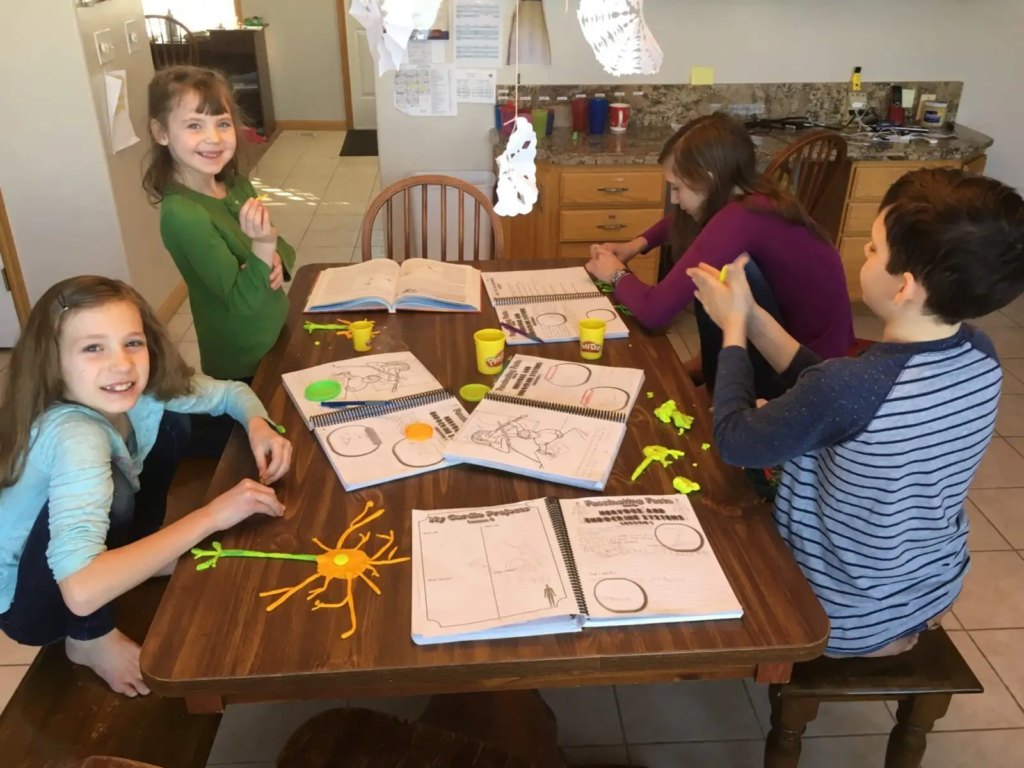
Homeschooling has become an increasingly popular educational choice for families around the world. Parents appreciate the flexibility, personalized learning experience, and opportunity to spend more time with their children. One of the biggest advantages of homeschooling is the ability to make learning fun, engaging, and tailored to a child’s interests and abilities.
When teaching young children at home, keeping lessons exciting is essential. Elementary students learn best through hands-on experiences, creativity, movement, and exploration. Traditional worksheets and textbooks can be helpful, but combining them with interactive activities often leads to better understanding and stronger retention of information.
Many parents visit StateKaidz.com to discover educational ideas, parenting tips, and creative learning activities that support children’s growth. Finding the right homeschooling activities can help children stay motivated while developing important academic and life skills.
In this article, we will explore a variety of homeschooling activities for elementary students, explain their benefits, and provide practical ideas that make learning enjoyable and effective.
Why Homeschooling Activities Matter
Children are naturally curious. They enjoy asking questions, exploring new ideas, and discovering how things work.
Interactive learning activities help children:
- Stay engaged
- Improve memory
- Develop creativity
- Build confidence
- Strengthen problem-solving skills
- Enjoy the learning process
When children actively participate in learning, they are more likely to understand and remember what they have learned.
This is one reason homeschooling can be so effective. Parents have the freedom to create lessons that match their child’s unique learning style.
Reading Activities That Build Literacy Skills
Reading is one of the most important skills elementary students develop.
Instead of simply assigning books, parents can create enjoyable reading experiences.
Story Time Adventures
Choose books that match your child’s interests.
After reading, encourage children to:
- Discuss the story
- Predict what happens next
- Describe favorite characters
- Share lessons learned
These conversations improve comprehension and critical thinking.
Create a Reading Corner
Design a comfortable reading space with:
- Pillows
- Blankets
- Bookshelves
- Good lighting
A dedicated reading area encourages children to spend more time with books.
Storytelling Activities
Ask children to create their own stories.
They can:
- Draw illustrations
- Make storybooks
- Act out scenes
Storytelling strengthens imagination and communication skills.
Fun Math Activities
Many children find math easier when it feels like a game.
Counting Games
Use household objects such as:
- Buttons
- Coins
- Building blocks
These items help children visualize numbers and understand basic math concepts.
Cooking and Baking
The kitchen provides excellent math lessons.
Children can practice:
- Measuring ingredients
- Counting
- Fractions
- Time management
Cooking combines learning with practical life skills.
Math Scavenger Hunts
Create challenges where children find:
- Shapes
- Numbers
- Patterns
Scavenger hunts turn math into an exciting adventure.
Science Activities for Curious Learners
Science encourages observation, experimentation, and critical thinking.
Simple Experiments
Easy science projects include:
- Baking soda volcanoes
- Growing plants
- Water cycle demonstrations
- Magnet experiments
Hands-on experiments make scientific concepts easier to understand.
Nature Observation
Take children outdoors and encourage them to observe:
- Birds
- Insects
- Plants
- Weather conditions
Nature exploration helps children develop observation skills while learning about the environment.
Science Journals
Ask students to record:
- Observations
- Drawings
- Predictions
- Results
Science journals encourage organization and analytical thinking.
Creative Art Activities
Art allows children to express themselves while developing important skills.
Painting Projects
Children can paint:
- Landscapes
- Animals
- Historical scenes
- Favorite story characters
Painting encourages creativity and fine motor development.
Craft Projects
Simple materials such as paper, glue, and recycled items can be used to create:
- Models
- Decorations
- Educational displays
Crafting combines creativity with problem-solving.
Educational Posters
Students can create posters about:
- Animals
- Planets
- Historical figures
- Science topics
This reinforces learning while making lessons visually engaging.
History Activities That Bring the Past to Life
History becomes more interesting when children actively participate.
Dress-Up Days
Children can dress as:
- Historical leaders
- Explorers
- Inventors
Role-playing helps students understand historical events and people.
Timeline Projects
Create visual timelines using:
- Pictures
- Drawings
- Dates
Timelines help children understand the sequence of events.
Historical Storytelling
Tell stories about important historical moments in an engaging and age-appropriate way.
Stories often make history easier to remember than memorizing facts alone.
Geography Activities
Geography helps children understand the world around them.
Map Exploration
Children can:
- Draw maps
- Label countries
- Identify landmarks
Maps improve spatial awareness and global understanding.
Cultural Studies
Explore different countries by learning about:
- Food
- Traditions
- Clothing
- Languages
Cultural learning promotes curiosity and appreciation for diversity.
Travel Projects
Ask children to research a country and create a presentation about it.
This combines geography, reading, and public speaking skills.
Physical Education Activities
Physical activity is important for both health and learning.
Outdoor Games
Examples include:
- Tag
- Obstacle courses
- Relay races
Movement helps children stay energized and focused.
Dance Sessions
Dancing improves:
- Coordination
- Balance
- Fitness
It is also a fun way to reduce stress.
Family Fitness Challenges
Create simple challenges that encourage daily activity.
Physical movement supports both physical and mental wellbeing.
Life Skills Activities
Homeschooling provides opportunities to teach practical life skills.
Gardening
Children learn about:
- Responsibility
- Nature
- Patience
Watching plants grow can be both educational and rewarding.
Budgeting Basics
Introduce simple money concepts such as:
- Saving
- Spending
- Planning
Financial literacy is an important lifelong skill.
Household Responsibilities
Assign age-appropriate tasks that teach independence and responsibility.
Life skills help prepare children for future success.
STEM Activities for Future Innovators
STEM stands for Science, Technology, Engineering, and Mathematics.
Building Challenges
Use materials such as:
- Blocks
- Cardboard
- Craft sticks
Challenge children to build:
- Bridges
- Towers
- Vehicles
These projects encourage creativity and engineering thinking.
Problem-Solving Activities
Present simple challenges that require children to think critically and develop solutions.
STEM learning promotes innovation and logical reasoning.
Music and Creative Expression
Music supports learning in many ways.
Singing Educational Songs
Songs help children remember:
- Numbers
- Letters
- Facts
Learning Instruments
Simple instruments can improve:
- Coordination
- Focus
- Creativity
Musical Storytelling
Combine music with stories to create engaging learning experiences.
Music often makes lessons more enjoyable and memorable.
Benefits of Homeschooling Activities
Using interactive activities provides many advantages.
Increased Engagement
Children remain interested and motivated.
Better Retention
Hands-on experiences improve memory.
Stronger Problem-Solving Skills
Activities encourage independent thinking.
Greater Confidence
Success builds self-esteem.
Improved Creativity
Creative projects inspire imagination.
These benefits contribute to a positive and effective learning environment.
Tips for Successful Homeschooling
To maximize success:
- Create a flexible schedule
- Follow your child’s interests
- Mix academic and creative activities
- Encourage curiosity
- Celebrate achievements
Every child learns differently, so adaptability is important.
Many homeschooling families featured on StateKaidz.com emphasize the importance of creating a supportive and enjoyable learning atmosphere.
Conclusion
Finding engaging homeschooling activities for elementary students can transform education into an exciting adventure. By combining reading, math, science, art, history, geography, physical activity, STEM projects, and life skills, parents can create a well-rounded learning experience that keeps children motivated and curious.
Homeschooling offers the freedom to tailor education to each child’s unique needs and interests. As many families who follow StateKaidz.com have discovered, the most successful homeschooling experiences often focus on creativity, exploration, and hands-on learning.
When learning is enjoyable, children are more likely to develop a lifelong love of knowledge and discovery.
Frequently Asked Questions (FAQs)
1. What are the best homeschooling activities for elementary students?
Some of the most effective activities include reading projects, science experiments, math games, art projects, nature exploration, STEM challenges, and educational storytelling.
2. How can I keep my child interested in homeschooling?
Use interactive lessons, hands-on activities, creative projects, outdoor learning, and topics that match your child’s interests.
3. Why are hands-on activities important?
Hands-on activities improve engagement, understanding, memory retention, and critical thinking skills.
4. Can homeschooling include physical education?
Yes. Outdoor games, sports, dance sessions, obstacle courses, and fitness activities are excellent ways to include physical education.
5. How do homeschooling activities support learning?
They make lessons more enjoyable, encourage active participation, strengthen academic skills, and help children develop confidence and creativity.