How to Manage Personal Finances Effectively
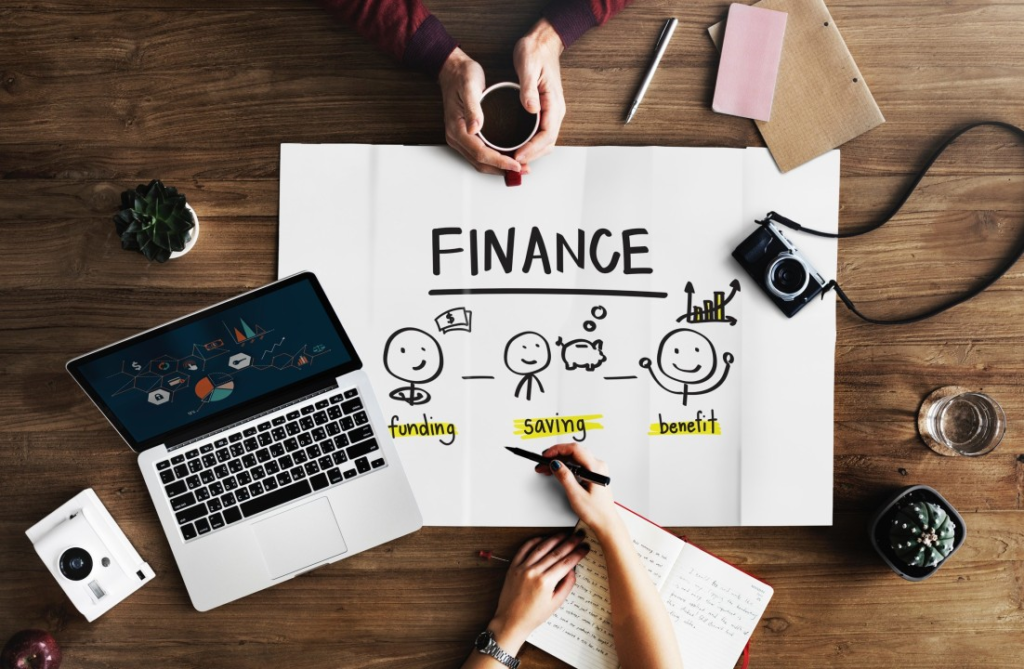
Managing money properly is one of the most important life skills today. Many people earn good money but still struggle financially because they do not know how to handle their income wisely. Learning how to manage personal finances effectively can help you reduce stress, avoid debt, build savings, and create a secure future. According to financial experts and resources likefintech revo .com, smart money management is not about becoming rich overnight. It is about creating healthy financial habits that improve your life step by step.
In today’s fast-moving world, expenses continue to rise while financial responsibilities become more challenging. From paying bills and rent to saving for emergencies and future goals, proper financial planning is necessary for everyone. Whether you are a student, employee, freelancer, or business owner, understanding personal finance can help you make better decisions and live more comfortably.
Understanding Personal Finance
Personal finance simply means managing your money wisely. It includes budgeting, saving, investing, controlling expenses, and planning for future financial goals. Many people think finance is complicated, but the truth is that small daily habits can make a huge difference over time.
Websites like fintech revo .com often explain that successful financial management starts with awareness. You must understand how much money you earn, how much you spend, and where your money goes every month.
Create a Monthly Budget
One of the first steps to managing personal finances effectively is creating a monthly budget. A budget helps you control your spending and avoid unnecessary expenses.
Without a budget, many people spend money carelessly and later struggle to pay important bills. A good budget allows you to organize your income properly.
Simple Budget Rule
A popular budgeting method is the 50/30/20 rule:
- 50% for needs like rent, food, and bills
- 30% for wants like entertainment and shopping
- 20% for savings and debt repayment
This method is simple and practical for beginners. Financial experts featured on fintech revo .com often recommend this budgeting strategy because it creates balance between spending and saving.
Track Your Daily Expenses
Many people lose money on small unnecessary purchases without realizing it. Buying coffee daily, ordering food regularly, or online shopping can slowly damage your finances.
Tracking your expenses helps you understand your spending habits.
Ways to Track Spending
- Use a notebook
- Create an Excel sheet
- Install budgeting apps
- Review bank statements regularly
When you monitor your expenses, you become more aware of wasteful spending. This awareness helps you save more money over time.
Build an Emergency Fund
Life is unpredictable. Unexpected situations such as medical emergencies, car repairs, or job loss can happen anytime. An emergency fund protects you during difficult times.
Financial advisors usually recommend saving at least three to six months of living expenses.
Benefits of an Emergency Fund
- Reduces financial stress
- Prevents borrowing money
- Helps during job loss
- Covers unexpected expenses
Even if you start with small savings, consistency matters more than the amount. According to guides shared on fintech revo .com, building an emergency fund is one of the smartest financial decisions anyone can make.
Avoid Unnecessary Debt
Debt can become a serious financial burden if not managed properly. Credit cards, personal loans, and unnecessary borrowing often create long-term financial pressure.
Before taking any loan, ask yourself:
- Is this purchase really necessary?
- Can I afford the monthly payments?
- Will this debt improve my life or create stress?
Tips to Reduce Debt
- Pay bills on time
- Avoid impulse purchases
- Focus on high-interest debt first
- Use credit cards responsibly
Managing debt carefully helps improve financial stability and peace of mind.
Start Saving Money Regularly
Saving money is one of the most important financial habits. Many people wait to save money after spending, but smart financial planning works the opposite way.
Pay yourself first by saving before spending on unnecessary things.
Simple Saving Tips
- Save a fixed percentage of income
- Open a separate savings account
- Reduce luxury spending
- Avoid emotional shopping
Even small savings can grow significantly over time. Experts at fintech revo .com emphasize that regular saving creates financial security and confidence.
Learn the Basics of Investing
Saving money is important, but investing helps your money grow faster. Many people fear investing because they think it is risky or complicated. However, learning basic investment knowledge can help you build wealth over time.
Common Investment Options
- Savings accounts
- Mutual funds
- Stocks
- Real estate
- Retirement plans
Investing early is beneficial because compound growth increases your money gradually over the years.
Before investing, always research properly and understand the risks involved.
Set Clear Financial Goals
People who have financial goals usually manage money better than those who spend without planning.
Your financial goals can include:
- Buying a house
- Starting a business
- Paying off debt
- Saving for education
- Building retirement savings
Types of Financial Goals
Short-Term Goals
Goals you want to achieve within one year.
Medium-Term Goals
Goals planned for two to five years.
Long-Term Goals
Goals that may take ten years or more.
Setting goals keeps you motivated and focused on better financial habits.
Control Impulse Spending
Impulse buying is one of the biggest reasons people struggle financially. Online shopping and social media advertisements encourage unnecessary spending every day.
Before buying something, wait 24 hours and ask yourself if you truly need it.
Ways to Avoid Impulse Purchases
- Make shopping lists
- Avoid emotional shopping
- Compare prices before buying
- Limit online browsing
According to financial articles on fintech revo .com, controlling impulse spending can save a large amount of money yearly.
Improve Your Financial Knowledge
Financial education is very important in modern life. The more you learn about money management, the better decisions you can make.
Important Topics to Learn
- Budgeting
- Investing
- Credit scores
- Insurance
- Retirement planning
- Taxes
You can improve your financial knowledge through books, online articles, podcasts, and trusted websites like fintech revo .com.
Plan for Retirement Early
Many young people ignore retirement planning because they think it is too far away. However, starting early gives your money more time to grow.
Retirement planning helps you maintain financial independence in old age.
Even small retirement contributions made consistently can become valuable in the future.
Use Technology for Better Financial Management
Modern financial apps make money management easier than ever before.
Useful Financial Tools
- Budget tracking apps
- Expense management apps
- Investment platforms
- Online banking services
Technology helps automate savings, track spending, and monitor financial progress efficiently.
Many fintech platforms, including fintech revo .com, encourage using digital tools for smarter financial planning.
Review Your Finances Regularly
Financial management is not something you do once and forget. Your income, expenses, and goals change over time.
Review your finances every month to:
- Check spending habits
- Adjust your budget
- Increase savings
- Reduce unnecessary expenses
Regular reviews help you stay financially organized and avoid future problems.
FAQs
1. Why is personal finance management important?
Personal finance management helps control spending, reduce debt, build savings, and achieve financial goals more effectively.
2. How much money should I save each month?
A common recommendation is saving at least 20% of your monthly income, but even small regular savings are helpful.
3. What is the best budgeting method for beginners?
The 50/30/20 budgeting rule is simple and effective for most beginners.
4. How can I stop overspending?
Track your expenses, avoid impulse buying, create shopping lists, and follow a monthly budget.
5. Is investing better than saving money?
Saving provides safety for emergencies, while investing helps grow wealth over time. Both are important for financial health.
Final Thoughts
Learning how to manage personal finances effectively is one of the best investments you can make in yourself. Good financial habits provide freedom, stability, and peace of mind. You do not need a huge salary to become financially secure. What matters most is how wisely you manage the money you already earn.
Creating a budget, saving regularly, avoiding unnecessary debt, investing wisely, and improving financial knowledge are all powerful steps toward financial success. By following these practical tips and learning from trusted resources like fintech revo .com, you can build a stronger financial future and live with greater confidence.
Remember, financial success is not achieved in one day. It is built slowly through smart daily decisions and consistent habits.